Modelos de colaboração
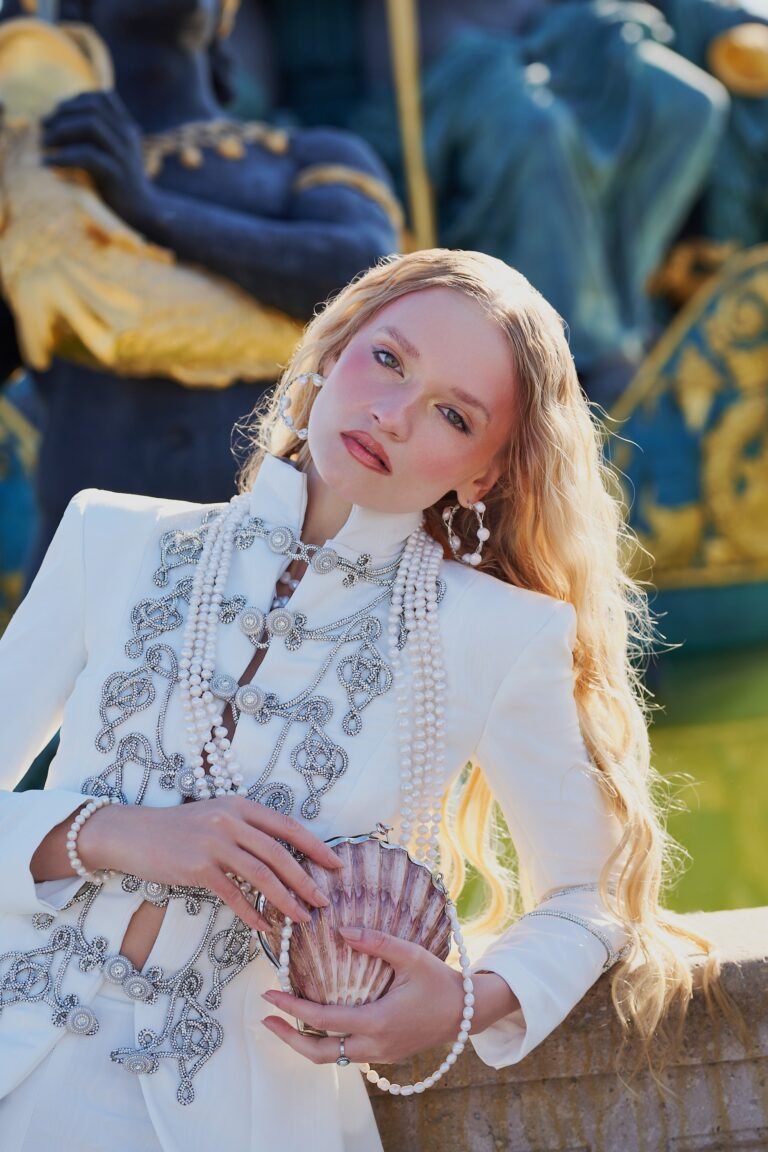
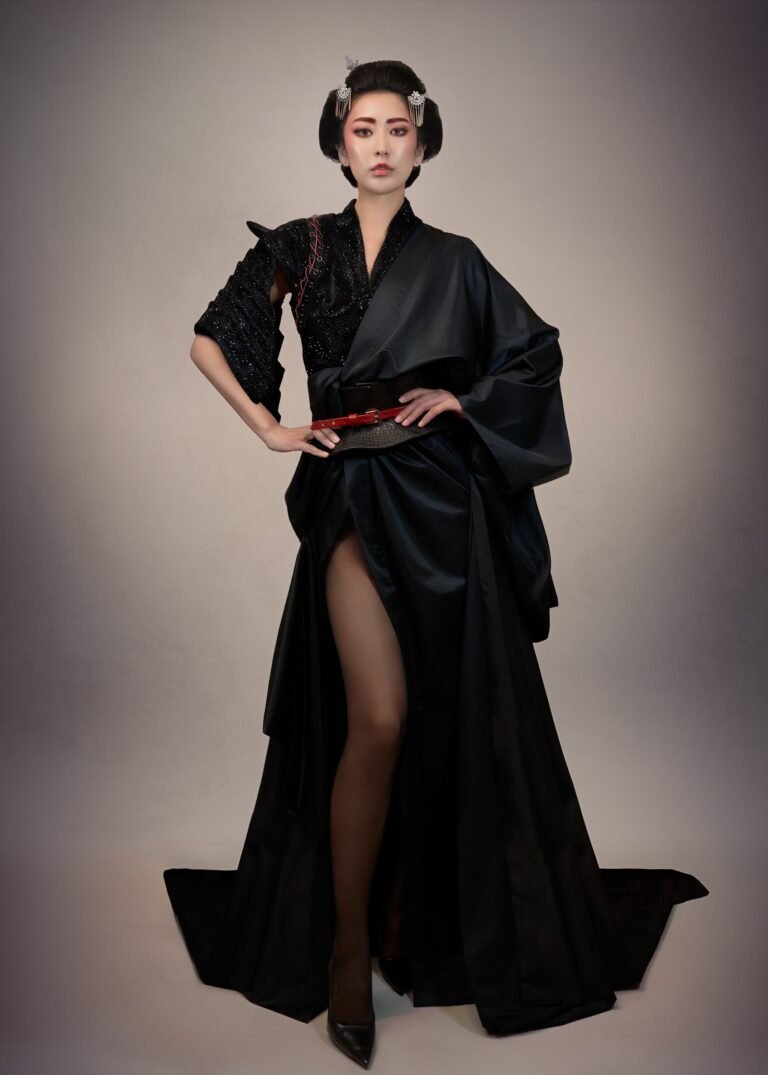
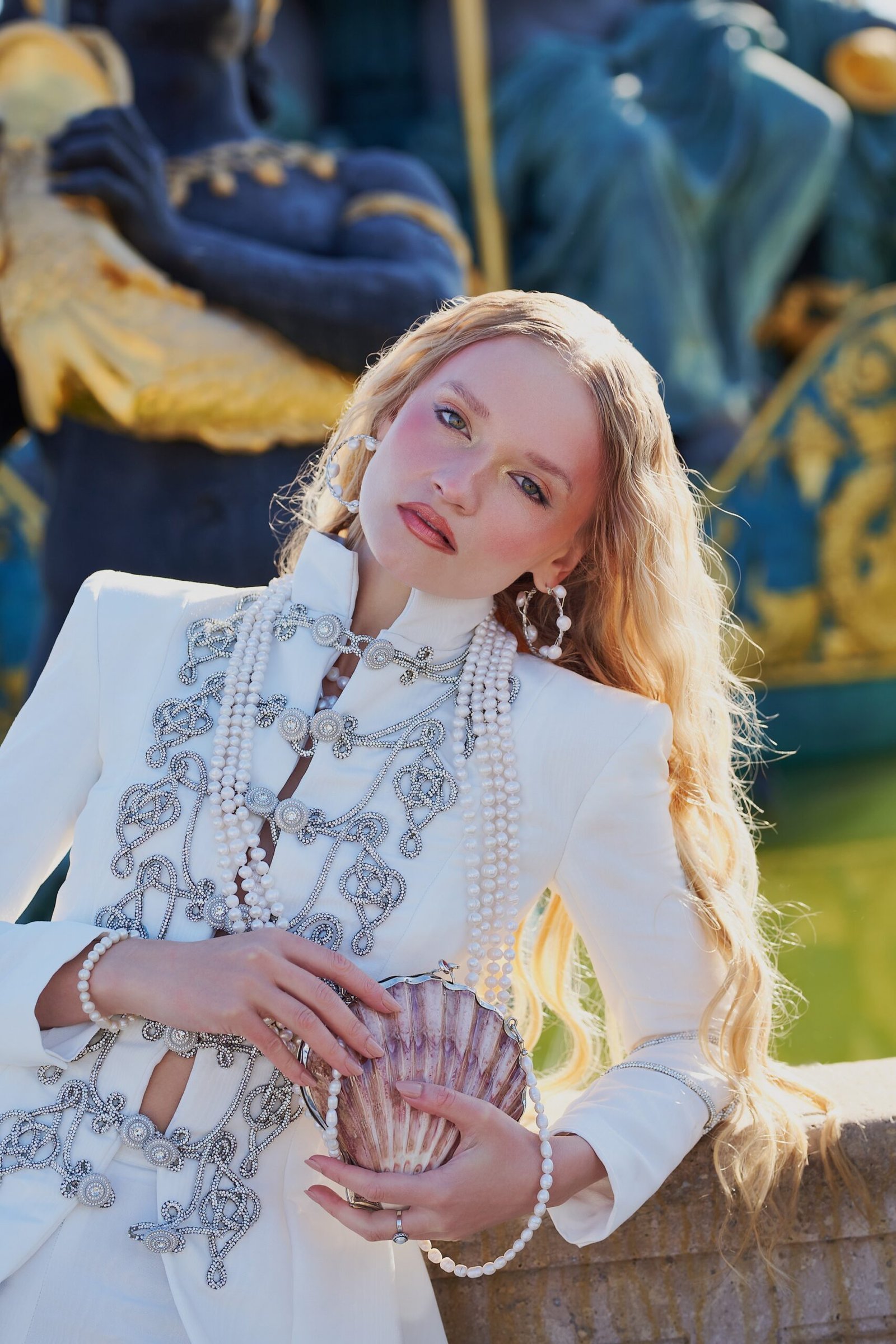
Fashion and photography are two industries that are closely related and often work together to create striking and stylish images. A collaboration between models and photographers can be the result of creative and artistic synergy, and it is important to highlight diversity and inclusion in these collaborations.
In this sense, bmwilmar, an international fashion brand, has teamed up with models from around the world to create impactful advertising campaigns. bmwilmar models come from different countries and continents, including Brazil and Colombia in South America, Italy and Ukraine in Europe, Lebanon, Iran and Thailand in Asia, Angola, Nigeria and Somalia in Africa and Tahiti in Oceania. Together, they work with the photographer to create images that reflect the essence of bmwilmar and convey a powerful message to their audience.
Fine art photography is another form of photography that focuses on creativity and artistic expression. Often, these images are taken by photographers seeking to create unique and meaningful works of art. Fine art photography can be of any genre, from landscapes to portraits, and can be both in color and black and white.
On the other hand, boudoir photography is another style of photography that focuses on capturing intimate and sensual images of a person. While it can be attractive and provocative, it is important to remember that it should be treated with respect and professionalism. Boudoir photographers must be sensitive to the needs and desires of their models and ensure that they feel comfortable and secure during the photo session.
One of the most popular styles of fashion photography is fitness model photography, which focuses on capturing images of models showing off their fit bodies in action.
What are the four models of collaboration?
There are many different models of collaboration, but here are four that are commonly considered:
- The hierarchical collaboration model: in this model, a single organization leads the project and the other organizations act as partners or subcontractors.
- The lateral collaboration model: in this model, all participating organizations have equal power and participate in decision-making in a democratic manner.
- The virtuous collaboration model: in this model, participating organizations work together to achieve common goals, but also share knowledge and resources in order to improve their own operations and achieve their own goals.
- The hybrid collaboration model: this model combines elements of different collaboration models and is tailored to the specific needs and circumstances of each project.
It is important to note that each collaboration model has its own advantages and disadvantages, and that no model is suitable for all situations. When choosing a collaboration model, it is important to carefully consider the needs and objectives of each project and select the model that best fits them.
What is a collaborative business model?
A collaborative business model is a type of business model in which multiple companies or organizations work together to achieve a common goal. This type of model is becoming increasingly popular as more and more companies recognize the benefits of collaboration, such as increased efficiency, reduced costs, and improved innovation.
There are several types of collaboration models that can be used in business, including strategic alliances, joint ventures, and partnerships. In a strategic alliance, two or more companies work together on a specific project or set of projects, but each company maintains its own autonomy and identity. In a joint venture, two or more companies come together to create a new entity, with each company owning a share of the new venture. A partnership is a long-term collaboration between two or more companies in which each company shares in the profits and losses of the partnership.
Collaboration models are also commonly used in education, where they can help to improve the quality of education and increase access to education for students. For example, schools may collaborate with other schools, universities, or community organizations to offer students access to resources and experiences that they might not otherwise have.
One example of a collaboration model in business is the open innovation model, in which a company actively seeks out external ideas and technologies to incorporate into its own products and processes. This type of collaboration can be beneficial for companies as it allows them to tap into a wider pool of knowledge and expertise, and it can also help to foster a culture of innovation within the company.
Overall, the collaborative business model can be a powerful tool for companies and organizations looking to achieve their goals and drive innovation. By working together and leveraging the strengths and expertise of multiple parties, it is possible to achieve results that would not be possible through individual efforts alone.
How do you approach models for collaboration?
Collaboration is an important part of the modeling industry, as it allows models to work with photographers, stylists, and other industry professionals to create unique and impactful content. Here are some tips on how to approach models for collaboration:
Do your research: Look for models whose aesthetic and style align with your vision for the photoshoot. You can also check out their social media accounts to get an idea of their portfolio and see if they have worked with similar photographers or brands in the past.
Be professional: When reaching out to a model, it's important to be respectful and professional in your communication. Introduce yourself, explain your concept for the photoshoot, and clearly outline any details such as the location, date, and duration of the shoot.
Offer compensation: Models often work on a freelance basis, so it's important to offer fair compensation for their time and talent. This can be in the form of payment, trade for prints or products, or a combination of both.
Respect their boundaries: Models have the right to decline any collaboration offer, and it's important to respect their decision. If they are not interested, do not push the issue or take it personally.
Follow up: If the model is interested in collaborating, be sure to follow up with any additional details or logistics. It's also a good idea to exchange contact information in case of any changes or issues that may arise.
Overall, approaching models for collaboration is all about being respectful, professional, and clear in your communication. By following these guidelines, you can establish successful and productive collaborations in the modeling industry